
- Late Summer Bass in Japan — What’s Actually Happening in the Water?
- Still Summer Pattern — But the Windows Are Opening
- The TN Series & Deracoup — Japan’s Late-Summer Search Weapons 🔥
- Jackall Jimmy Shrimp 3.8″ Free Rig — The Summer Hammer That Keeps Hammering
- 🚨 NEW RELEASE: Jackall Cutball — The Cup-Face Joint Head That Changes Everything
- What Makes the Cutball Different? The Design Philosophy
- The Cup Face — The Engineering Masterstroke 🏆
- Cutball Lineup & Specs — Full Breakdown
- Pairing Guide — What to Throw on Your Cutball
- Global Angler Adaptation — When to Run This
- Where to Buy JDM Gear
Late Summer Bass in Japan — What’s Actually Happening in the Water?
Post-Obon Japan (mid-to-late August) is a fascinating transitional window for bass fishing. Water temps that have been cooking at 28–32°C through peak summer start to show the first subtle drops, particularly during early mornings and evenings. Bass that have been glued to well-oxygenated, current-influenced zones all summer long begin showing early signs of aggression toward horizontal presentations.
For our readers in the Southern Hemisphere — think late February to early March in Australia or South Africa. That same peak-heat-to-cooling transition is your trigger. When your daytime water temps start dipping from their summer highs and you start getting those cooler dawn sessions, this is exactly the moment these tactics become lethal.
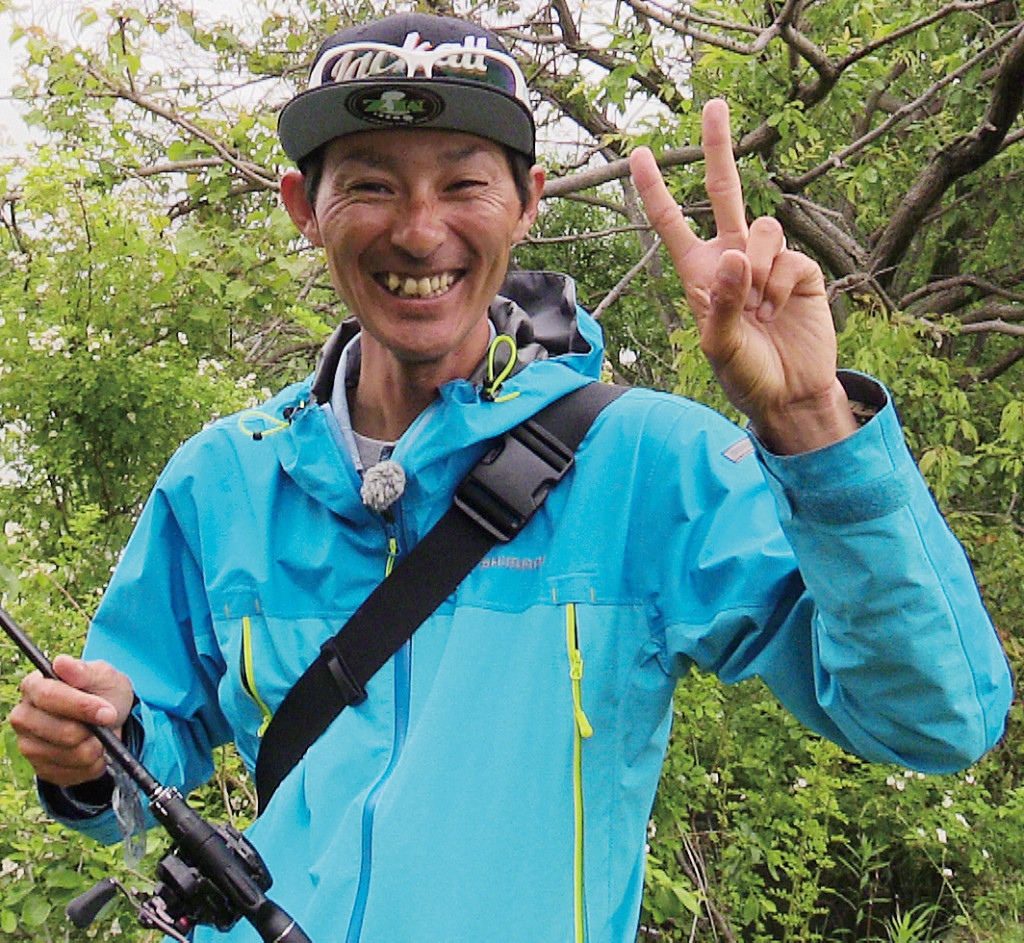
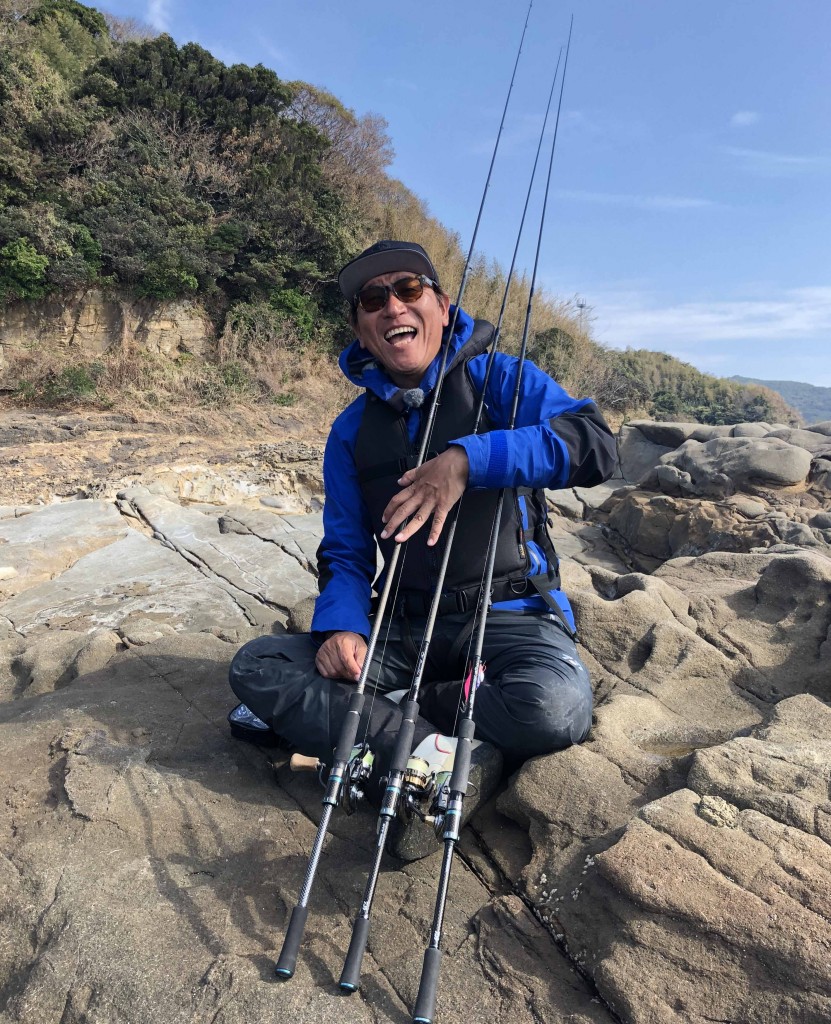
Jackall pro staffer Mizuno Hiroaki — a certified enjoy-fishing machine who’s spent years grinding the pond circuits of Gifu Prefecture’s Tono region — just dropped his latest field report, and it’s packed with real, applicable intel. Let’s break it down. 🔥
Still Summer Pattern — But the Windows Are Opening
At the core, Mizuno confirms bass are still locked into summer holding patterns: sitting in well-oxygenated areas with good water flow, and not straying far from those comfort zones. Your primary search should still be focused on points, channel edges, and any structure with water movement.
BUT — and this is the key insight — post-peak-heat is when horizontal reaction windows start cracking open. During low-light periods at dawn and dusk, or when wind starts rippling the surface and breaking up that thermal stratification, bass snap out of their lethargic funk and start chasing.
This is your cue to rotate reaction baits into the mix.
The TN Series & Deracoup — Japan’s Late-Summer Search Weapons 🔥
Mizuno explicitly reaches for the Jackall TN Series lipless crankbaits and the Deracoup blade bait as his go-to search tools once the heat peak passes. These are wide-area, horizontal-presentation lures built for covering water efficiently.
The logic is pure and elegant: when you don’t know exactly where the activated fish are, you cover water fast with a high-vibration bait and let the bass tell you. The TN Series with its precision-tuned rattle chamber and tight vibration is devastatingly effective in slightly cooler, clearer late-summer water. The Deracoup’s fluttering blade action on the fall is irresistible to fish that are starting to think about feeding more aggressively.
Pro tip for Aussie/global anglers: Match this strategy to your February-March transition. Wind days on your local impoundments = TN time. Run it on a straight medium-speed retrieve along the first break line. You will get bit. 🎯
Jackall Jimmy Shrimp 3.8″ Free Rig — The Summer Hammer That Keeps Hammering
Over on Gifu’s Oye River system — one of Japan’s most celebrated bass fisheries — Mizuno’s weapon of choice through the brutal heat has been the Jackall Jimmy Shrimp 3.8″ rigged on a 5–7g free rig. Local young gun angler Yushi has been absolutely smashing fish on this combo all summer, sending Mizuno photo after photo via LINE. 📸
Why does it work so well on lethargic, heat-stressed bass? Two reasons:
- Compact, easy-to-eat silhouette — doesn’t ask too much from a sluggish fish
- Versatile action range — from ultra-slow dragging and shaking to quick, erratic irregular pops that trigger reactionary strikes even when bass aren’t actively feeding
The free rig format is key here. The weight separates from the lure on the drop, giving the Jimmy Shrimp a completely natural, unimpeded fall that sends lethargic bass absolutely mental. If you’re not running free rigs in your late-summer bass arsenal, you are genuinely missing out on one of JDM fishing’s greatest gifts to the world. 🦐
🚨 NEW RELEASE: Jackall Cutball — The Cup-Face Joint Head That Changes Everything
And now for the headline drop that had Mizuno hyped for weeks: the Jackall Cutball joint jighead is officially hitting shelves post-Obon, and this thing is a serious piece of JDM engineering innovation. Let’s nerd out on the specs. 🤓
What Makes the Cutball Different? The Design Philosophy
Most jigheads in this category use tungsten for the weight — dense, compact, sensitive. The Cutball breaks convention by going with a zinc alloy head instead. Here’s why that’s actually genius:
Zinc has a lower specific gravity than tungsten, meaning for the same weight, the zinc head has a larger physical silhouette. Normally that sounds like a drawback — but the Cutball was engineered from day one around one specific mission: maximum slow-fall, minimum horizontal travel.
A larger, lighter-density head sinks slower and drifts more naturally. This isn’t a bug — it’s the entire point. You want this thing hanging in the strike zone as long as physically possible, doing its thing at a pace that even the most heat-strung, zero-motivation bass can’t ignore.
The Cup Face — The Engineering Masterstroke 🏆
Here’s where it gets really exciting. The head isn’t just zinc — it’s cup-shaped, like a popper face on a jighead. Every time you twitch or pump the rod, that cup catches and displaces water, creating resistance and a pushing action in front of the lure.
The practical results:
- Even slower effective fall speed at any given weight
- Strong, tactile feedback transmitted directly to the angler through the rod — you feel every micro-movement
- Increased presence at a single depth range — the cup pushes water and signals the bait’s location to nearby bass without it blowing out of the zone
This is finesse fishing amplified. The kind of subtle-but-deadly innovation that only comes out of Japan’s obsessive tackle development culture. 🇯🇵
Cutball Lineup & Specs — Full Breakdown
The Cutball comes packaged in two configurations, pre-matched with Jackall’s own hooks:
Cutball + Squeeze (Weedguard Hook):
| Size | Hook | Qty | Price (Tax Inc.) |
|---|---|---|---|
| 0.9g / 1.3g / 1.8g / 2.7g | #3, #1/0 | 2 | ¥660 |
| 3.5g / 5g / 7g | #3/0 | 2 | ¥660 |
Cutball + Saizu (Offset Hook):
| Size | Hook | Qty | Price (Tax Inc.) |
|---|---|---|---|
| 3.5g / 5g / 7g | #1/0, #5/0 | 2 | ¥660 |
| 10g / 14g | #3/0, #5/0 | 2 | ¥715 |
Ready to use straight out of the pack. No messing around. Pure JDM efficiency. ✅
Pairing Guide — What to Throw on Your Cutball
Mizuno has been testing this across multiple lure pairings since the prototype stage, and here’s the official breakdown:
Cutball + Squeeze (0.9–1.8g):
Perfect match for the Flick Shake and similarly slender finesse worms. The weedguard keeps you snag-free, and the ultra-light weights maximise that impossibly slow fall. This is your ultra-finesse clear water setup.
Cutball + Squeeze (3.5–5g):
Dialled in for the King Jimmy Henge (including Medium size). The slightly heavier weight gets you to depth while still maintaining that seductive slow-fall character.
Cutball + Saizu (7–14g):
This is where it transitions into bottom-contact and swim territory. Rig a shad-tail swimbait on the offset Saizu hook and you’ve got a slow-rolling swim jig alternative that absolutely decimates fish holding on deeper structure.
Global Angler Adaptation — When to Run This
Japan context: Post-Obon (mid-late August) through September, as water temps drop from peak summer highs toward the mid-20s.
Australia/Southern Hemisphere: This is your February through April window — as your summer peak breaks and bass (or local species like Australian bass and yellowbelly) start transitioning from their most lethargic phase back toward aggressive feeding. The Cutball’s slow, methodical presentation is exactly what you need to extract bites from fish that are still not fully switched on.
Run it on 6–8lb fluorocarbon, a medium-light finesse spinning rod, and work it with patient 2–3 second pauses between gentle twitches. Let the cup face do the work. Trust the process. 🎣
Where to Buy JDM Gear
Can’t get to Japan? No problem. eBay is hands-down the most reliable platform to source authentic, fresh JDM tackle directly from Japanese sellers — often at prices that’ll make your head spin compared to grey-market importers. Mint condition, genuine product, shipped straight from Japan to your door. This is how serious overseas JDM collectors and anglers get their hands on the good stuff. Don’t sleep on it. 🛒
コメント